
What to do with Fallen leaves?
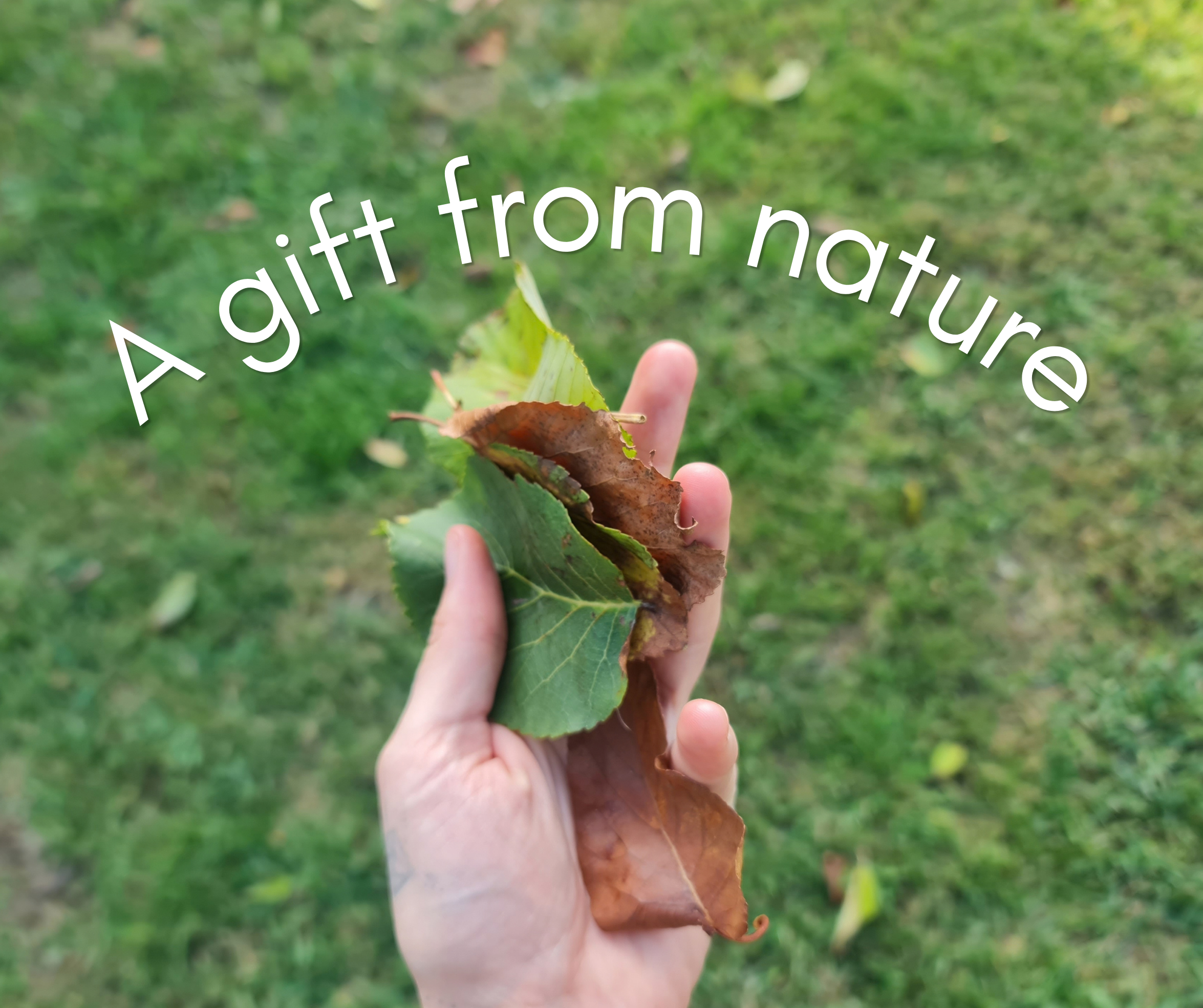
It’s quite clear now that summer has begun to fade. The nights grow longer, the days seem cooler, and it seems we all now have an abundance of leaves to deal with.
Have you ever thought about a more useful way of using your leaves, apart from simply disposing of them?
Today, I’ll tell you about the numerous ways you can reuse fallen leaves, so that you can be more sustainable, feed your garden and perhaps save a penny or two!
Firstly, it’s not always necessary to remove all of the leaves from your garden, as it can sometimes actually be beneficial. For example, leaving leaf litter on garden beds and borders can help suppress weeds, while also acting as a slow-release mulch. It also provides a natural habitat for our creepy-crawly friends.
The best ways to use leaf litter
Making leaf Mould (Soil conditioner)
Leaf mould is a dark, nutrient-rich material created by fungal decomposition
Collect damp leaves and pack them into perforated black bin bags (poke a few holes with a fork) or a simple wire-mesh garden cage.
Leave them alone for 1 year for a rough mulch, or up to 2 years for a fine, crumbly compost ideal for seed sowing.
Oak, beech, and hornbeam make the best leaf mould. Slower leaves like sycamore or evergreen needles take longer.
Use as a direct Mulch
For best results, go over your pile of leaves with a mower- as a fine shred will speed up the rate of decomposition.
You can apply this generously to beds and borders, as well as around trees and shrubs, to help lock in moisture and suppress weeds. However, keep it away from plants that don’t enjoy being too damp - lavender, for example.
Just add it to your compost heap!
Dead leaves are a carbon rich material
Mixing leaf litter with your grass clippings or food waste can provide a brilliant, nitrogen-rich material to add to your flower beds at a later date. Try alternating the layers to create a well-balanced compost.
